Dan Giusti is a chef who just won’t stop. At the height of his career as chef de cuisine at Noma, a world-class restaurant located just across the sea from our city of New London, he decided to take a step away from all the success he had worked for since his teenage years. “I wanted to do more than that, and with a place like Noma, you have this feeling that, if you work hard enough, anything can be accomplished,” Giusti told me, upon reflecting on his time leading one of the world’s best restaurants. And with all the knowledge and skills he learned from the shiny kitchens of Noma, he decided to take on a problem that faces millions of kids all over America: school lunch.
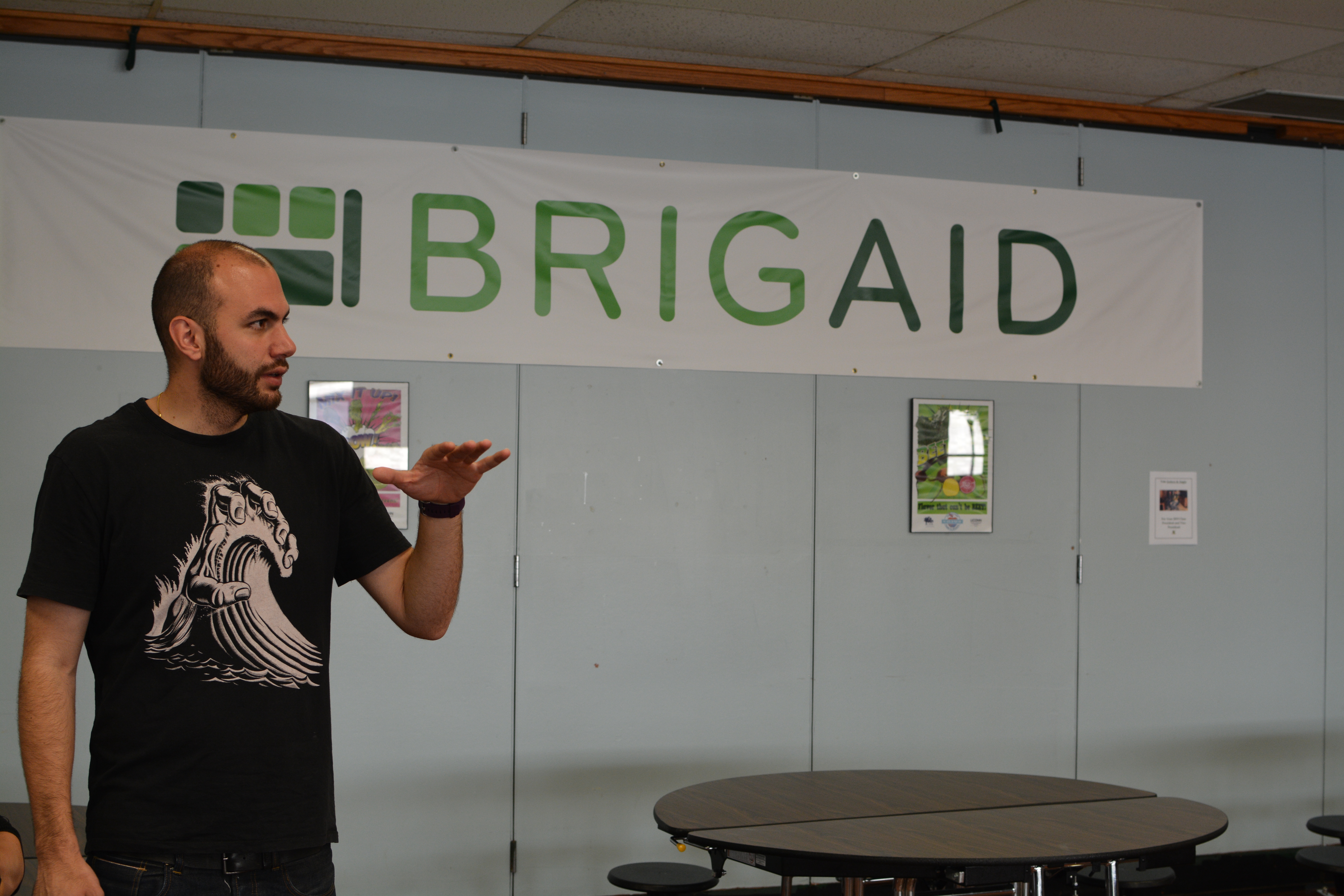
And who was to be the lucky subject of Chef Giusti’s ambition to change the way children think about food? Our very own New London public schools. Through a chance encounter with the daughter of the superintendent of New London schools at an annual MAD event in Denmark, New London public schools became the pilot location for Giusti’s bold project called “Brigaid.” The program brings trained chefs into public school kitchens to revamp the cuisine and give children and young adults access to high quality foods with the hope of changing the way food is talked about in schools.
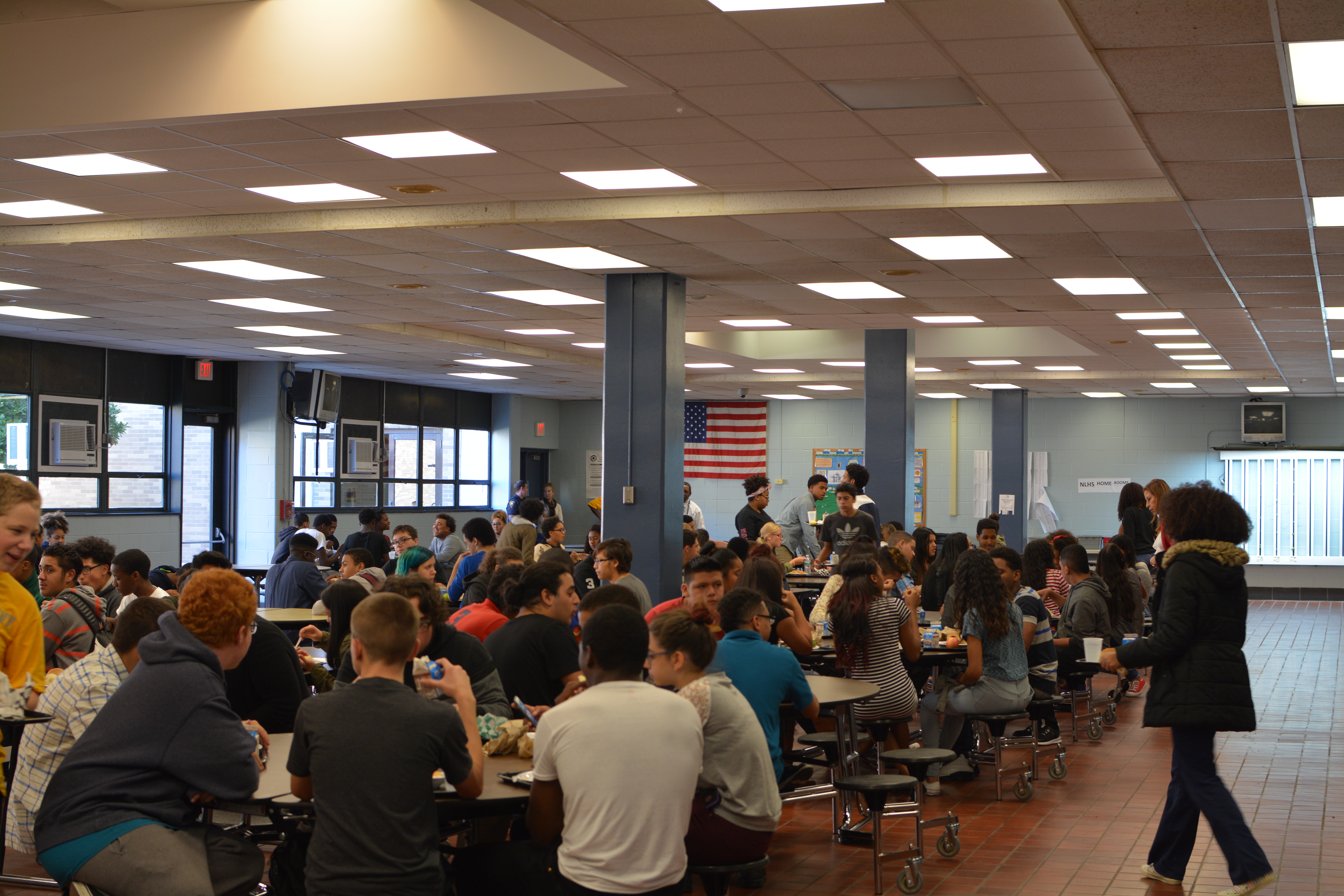
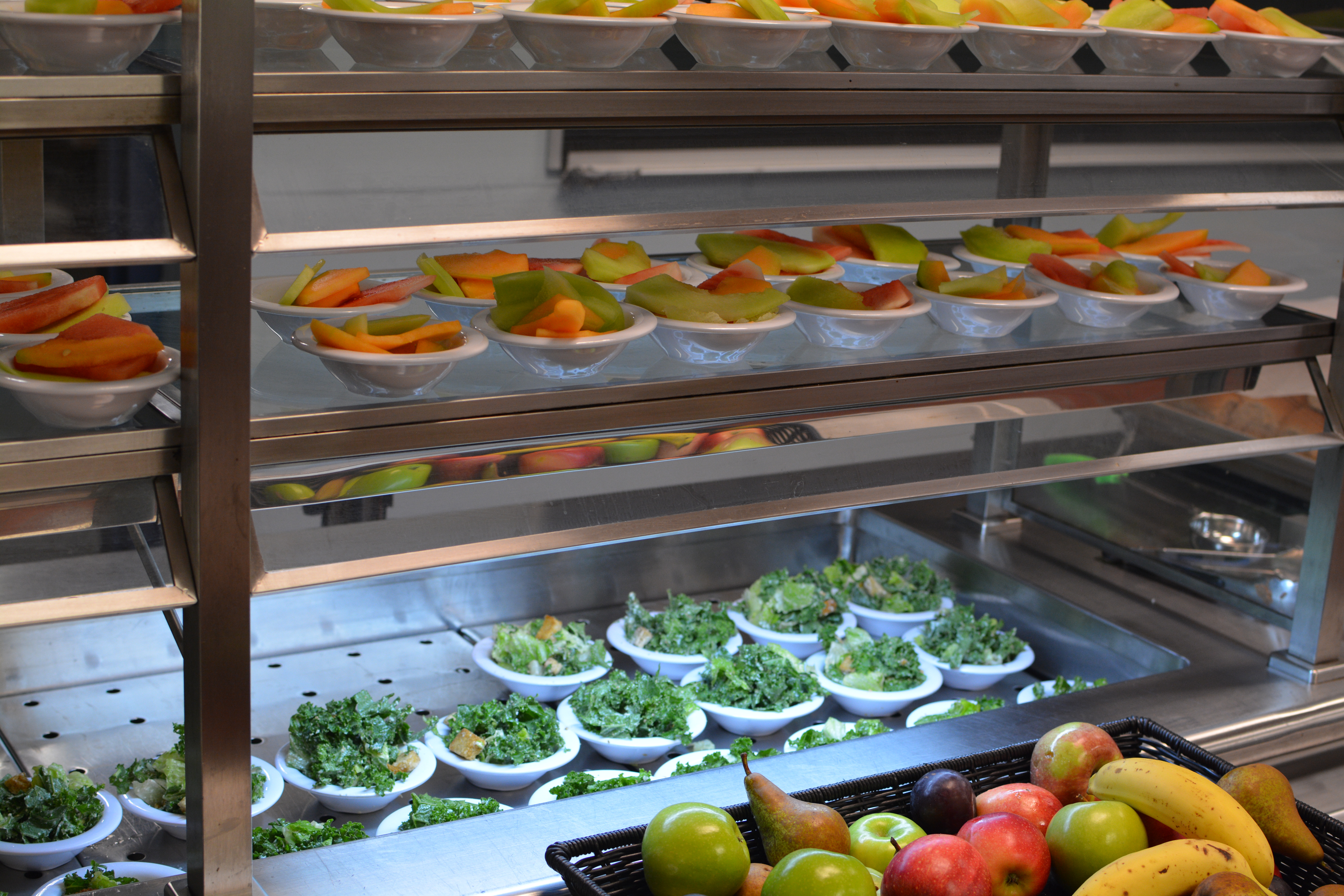
Photos courtesy of Wesley Conner.
“The training of the staff is so important—it’s a team, you got to know how everyone’s doing and see how they fit into what we want to accomplish,” Giusti reflected as we walked in between the kitchen and cafeteria, talking about the process of him integrating into the kitchen in New London public schools. “People can’t tell, but it’s a significant amount of work. That’s why I’m hiring people who will create good relationships between chefs and the workers, because they used to work four hours a day and now they’re full time.” With such attention to detail in the overhaul of the food program, Giusti’s team and the cafeteria staff are working nonstop to take on some of the biggest kitchens in the city and improve the meals for not only the students of New London public schools, but the community as well, about which Giusti said that “you gotta be responsible when you’re feeding that many people.” This is to be done by paying attention to details, such as getting rid of Styrofoam trays.
As we sat across a middle school cafeteria table, Giusti discussed the way Brigaid has been slowly changing the way the kids in New London’s public schools have been talking about the food they’re eating. “Nobody ever talks about food once they leave the cafeteria, but now I’m getting emails from parents saying their kids loved the food today.” More than anything, the large quantity of prepared fruits, salads, baked goods and sandwiches (that go beyond the typical PB&J) are all catered to the students’ tastes. “They’re brutally honest,” Giusti said, referring to the critical feedback he receives from the kids. Taking another bite of ice cream that his chef, Katie, handed to us before we sat down, he discussed the balance between catering to the kids’ tastes, government nutritional guidelines and budgets from the schools. We talked as kids came back from practice and started streaming into the small cafeteria. Over the loud chatter of middle school students, he emphasized again the responses the students give him about the meals: “That’s the thing – probably the most important thing, that we get feedback from them and that they’re critical of the food. Because, in the end, the kids are always right. If they say it sucks, it sucks.”
There is a vast diversity of tastes the cooks of New London schools have to cater to on a daily basis. “Eighty percent of our students come from the New London area,” said Child Nutrition Program Director Samantha Wilson about the demographic that enters the cafeterias of New London’s public schools each day. “The other 20% are from outside of the district. Out of all the students, 85% are on free reduced meals while only 10% of that population are above that level.” On the topic of the struggles Brigaid has faced in the first month of its implementation, she said that recipe development has been “certainly a learning experience” in the scope of the work Brigaid has done so far. Everyday, Giusti and the cooks work to move away from the typical processed foods that resemble fast food meals more than home cooked meals. Having less-processed not only provides a more pleasant and healthy experience for the kids in New London, but teaches them to think differently and to be generally more open minded about trying things they might not have had the opportunity to try before.
In an anthropology course at Conn, “Worlds of Food,” Prof.Rachel Black is allowing some of our own students to “tap into the greater narrative and the story of Brigaid.” Students in this course are getting the full on experience of examining the effects of Giusti’s project to see how broader topics, such as community, social relations and differences in cultural flavors are affecting the students, parents and staff of New London schools. “What an amazing opportunity, in our own backyard, to work with a world-class chef. I really want my students to get some hands on research by interviewing parents, chefs, teachers, and looking at statistical data. You can get numbers on calorie counts, but there’s no data on reactions to parents and teachers,” Prof. Black said.
Issues surrounding food security are nothing new to the New London area, as Prof. Black commented: “sadly, it’s a classist issue.” The low-income demographics of New London have resulted in a disconnect between access to fresh, affordable food for the general population and have resulted in a growth of programs, such as FRESH New London, which educates children about where good food comes from. “But that’s not a priority for many parents—they don’t have the time to cook home cooked meals and shop for local vegetables,” continued Black. “These kinds of issues should be taught in an academic setting, they should be a part of the curriculum, it’s the will of the faculty to start that conversation.”
In the work Dan Giusti has done to combat food insecurity and give children access to fresh and healthy food, he has battled what he called a “close-mindedness” from the current way of doing things in public school cafeterias:“The conversation shouldn’t always be positive. People are already thinking inside of a small box, and that’s not good enough. It’s easy to get in this bubble of thinking about how things are currently run, and often things aren’t being portrayed correctly versus what’s happening.” Already Giusti has faced much criticism from the outside, but he doesn’t seem to mind since there have already been good reactions from the people directly affected by Brigaid.
As for the next few months, Giusti has already set out new menus with different recipes that have evolved from the beginning of the school year up until now. The constant flow of feedback from this ambitious project has not stopped the energy and passion he has for the food of New London schools. From the reactions he gets from fellow staff members in the hallways to the faces of the children running from practice to the cafeteria, he has already been well-received into the community of New London and has the energy to grow and move forward one meal at a time.•