Courtesy of Alexander Shatov
A new global research study released last month revealed that the new top news source for Americans is social media, officially replacing television and newspaper. According to this report, an online study conducted from January through February of 2025 by YouGov, over half of the population gets their news from social media, officially overtaking previous champions in news such as broadcast news and journalistic webpages.
In the report’s executive summary, BBC journalist, digital strategist and lead author Nic Newman describes the era of uncertainty, political action and economic anxiety we live in, and how journalistic sources serve as a way to stay informed amidst the complexities of our political and social climate today.
“Against that background, evidence-based and analytical journalism should be thriving, with newspapers flying off shelves, broadcast media and web traffic booming.,” wrote Newman. “But as our report shows the reality is very different. In most countries we find traditional news media struggling to connect with much of the public, with declining engagement, low trust, and stagnating digital subscriptions.”
The study draws from 48 countries across Europe, Africa, Asia, and the Americas, with a sample size of 2,000 respondents per country.
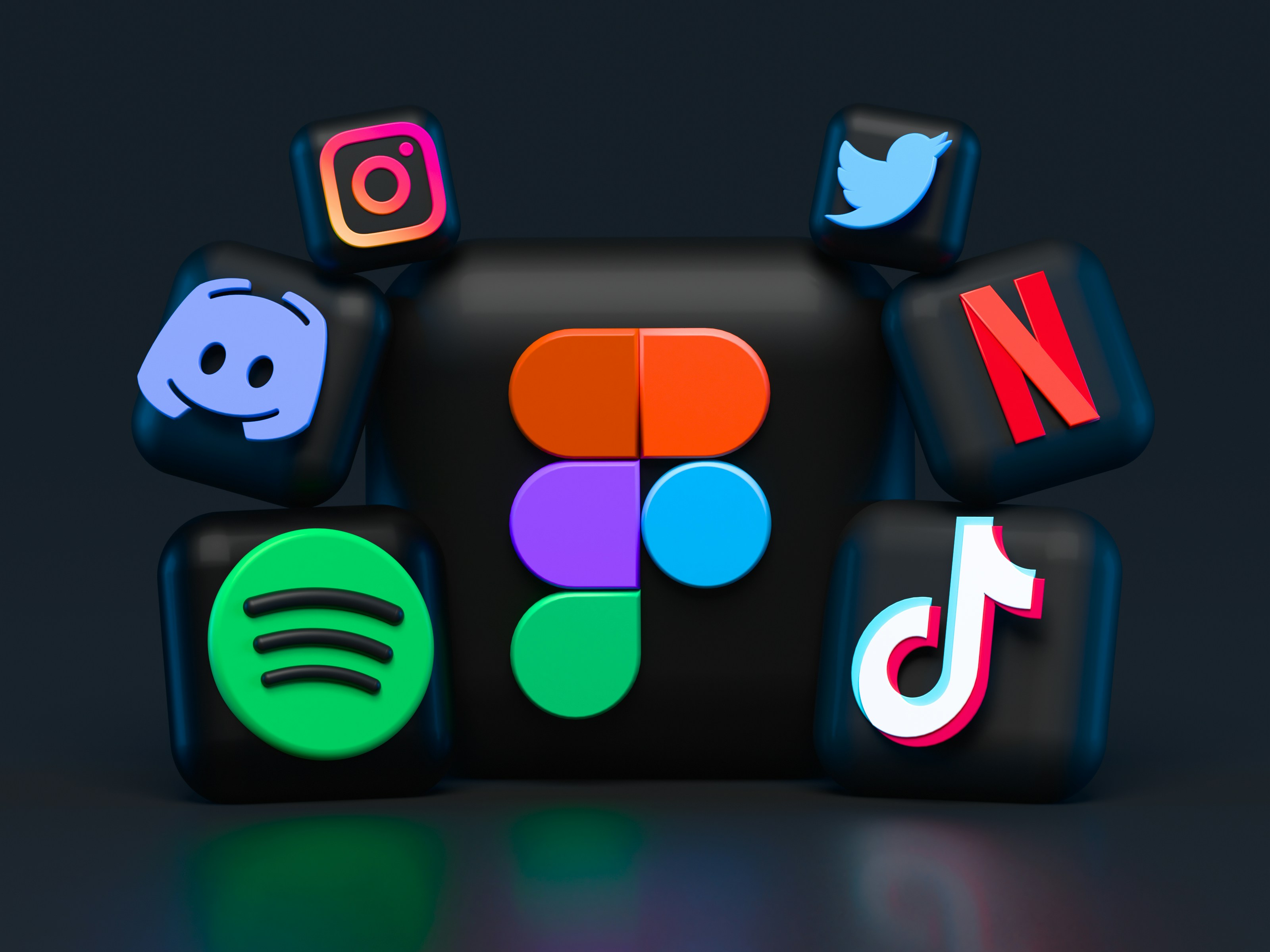
The leading social media platforms for news worldwide use are Facebook (36%), YouTube (30%), Instagram (19%), WhatsApp (19%), TikTok (16%) and X (12%). Despite ranking in the last few positions, data shows that TikTok has had the most rapid growth across the world, and X is following right along in this trend. For the U.S., 54% of news is accessed on social media, overtaking both television news and news websites and apps.
In this summary provided before the report itself, Newman continues to outline the key contributors to this shift in media consumption — the rise of ‘influencers’ and partisan media, AI as a news-source alternative, and the Trump Administration‘s heightened political polarization. Despite having endless amounts of information at the touch of a screen, citizens show significant concern and conflicting ideas regarding fact-checking and identifying fake news, the emergence of AI in news and entertainment, and overall trust in the news.
Washington Post Journalist Terrell Wright ’25 explained the progression of these developments.
“Our media environment that has been cultivated over the past 50 years has been entertainment focused, and based on who and how news is being delivered. Instead of what is impacting and informing you, it’s ‘how can I be entertained,’ — that can have dangerous consequences,” he said. “It encourages media enterprises to feed into the worst aspects of news.”
While other countries remain high on the World Press Freedom Index, a tool used to document the quality of free press by country, the U.S. ranks 55th out of 180 countries, marking a historic low. Nonetheless, these shifts in how people get their news remain a battle worldwide.
Despite Estonia ranking 2nd on the index, Journalist Joosep Vaark of Estonian Public Broadcasting spoke to the changes he has seen in his country and surrounding countries.
“10 years ago the media cycle was dominated by physical newspapers — this logic is completely gone. Now, it’s a constant 24/7 media cycle.”
However, Vaark accredits Estonia’s high rates of journalistic quality and trust to Estonia’s separation between social media and information media. He cited the phenomenon of “virality” and “soundbites,” shocking or provocative lines dropped by politicians in hopes of gaining popularity, being utilized for exposure and leverage when it comes to media coverage. Zelensky’s 2022 quote, “I need ammunition, not a ride,” or Joe Biden’s “Will you shut up, man?” during the 2020 presidential debate are both examples of quotes that went viral and garnered political attention in the newsrooms and on social media.
Estonia has developed its own word for this phenomenon, ‘klikimajandus’, which translates to ‘click economy’. It is typically used when arguing for journalistic standards and ethics and against sensationalism in the news industry.
However, Joosep argues that the majority of news is still based in truth and honest reporting.
“[Our journalism] is still tied to traditional media,” he said.
As for Americans however, the lines between shocking claims on social media all for clicks and real raw news are increasingly blurred. Connecticut College student activist Lily Clemens ’27, spoke to the progression toward social media outlets and the depletion of quality news.
“If [people] see something [that looks like] propaganda or outlandish they’re gonna interact,” she said.
“When I was younger, my grandparents used to use the newspaper. After a while, they moved to television and news broadcasting. Now, they use Facebook,” she explained.“During Covid, it was a big problem in my family, as a lot of them relied on it particularly to talk about Dr. Anthony Fauci, and the mask mandating. I think that info gave them a sense of comfortability and control whether it was true or not. It impacted a lot of my relationships with my families.” (Dr. Anthony Fauci is an American physician and former Chief Medical Advisor to the U.S. under former President Biden, credited with handling much of the country’s COVID response.)
As Americans increasingly rely on social media for news, the future of trustworthy journalism remains uncertain. Nonetheless, Wright spoke to the importance of adaptation in light of this new designation.
“Authoritative information, such as newsrooms, is highly important. But if we aren’t meeting a moment, then we are digging our own graves as journalists,” he said.
“It’s important that we exist, that there is strength in authoritative press and information, but at the same time we need to make sure that audiences want to engage with that information.”