
Courtesy of Oxana Media
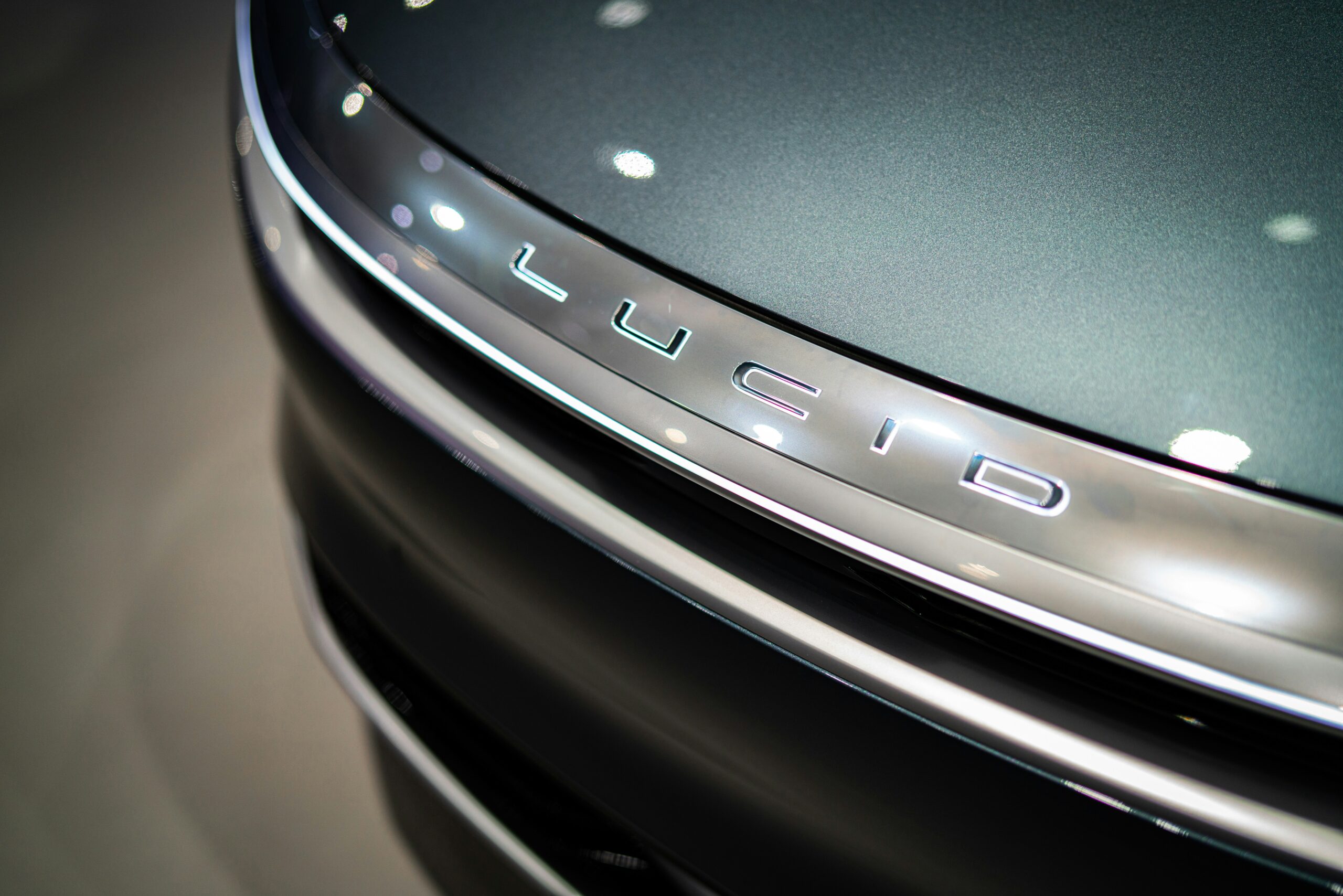
In the 21st century, innovation in the world of engineering is a word that is not used very often anymore. Innovation is the process of turning something old and basic into something so profound that it makes all that came before it look useless. It looks like when inventors like Thomas Edison created the first light bulb, and now no one needed to light a candle to see, or when computers were invented, and the typewriter became obsolete. Lucid is the next car company that will bring us back into a world of innovation.
The gasoline engine is an invention that has reached every corner of the earth and into space. It is how we get to work, school, and how we can move massive ships carrying our Temu orders. Yet, it is still a relatively new invention and is still not yet near perfection. Advancements like using fuel injectors, water-cooled radiators, and turbochargers seem like such simple and useful features that should have been standard when the engine was first invented. That is innovation. Now they are considered the bare minimum for cars produced in 2025 because of their reliability, efficiency, and power gains. The electric motor is on the same path as its predecessor, but with the difference that it hasn’t had any major developments, and looks like how the first one was made in 1821.
A traditional electric motor works by taking a copper coil and wrapping it many times around the outer shell of the motor, called the stator. The round copper wire is placed within the channeling found in the stator, and that wire will have electricity that runs through it many times a second to create a magnetic field. This field is what rotates the second part of the motor, called the rotor, and it is the rotor that actually rotates and is what components can be connected to, to spin things like the wheel. What is important to note is that the more wire, physically, that can be present, the stronger a magnetic field can be produced. A stronger field allows the motor to have a higher power output as well as increased efficiency. As noted before, the copper wire that is used is round, and when placing circles together, there are many holes that create wasted space and inefficiency, known as the fill factor. Lucid has been able to solve this problem by using square wire and creating a manufacturing process that can cut and bend the copper wire into a single loom, while having nearly no space wasted. This single loom also takes away the need to weld the wire together, which would increase cost and resistance. For decades, automakers accepted round wire as a fixed limitation. Lucid refused. Their square-wire stator not only increases performance, it simplifies production, reduces waste, and unlocks efficiency gains that competitors will now have to chase to keep up.
The rotor, which is the second half of the motor, has also been heavily reimagined by Lucid. Inside the rotor are permanent magnets that are affected by the alternating electromagnets caused by the stator. When the stator is powered, its purpose is to spin the rotor at a desired speed and power. These permanent magnets are often placed around a cylindrical metal shaft and then bound and held in place by another sleeve of metal or carbon fiber. Lucid has removed this need for another sleeve by making the housing that these permanent magnets sit in one piece, while being hollow. This means that the rotor is both smaller and lighter, which allows it to spin much faster, achieving 1234 horsepower in their highest-end models. The rotor has also been optimized by being made hollow, when traditionally it had a solid metal shaft. This hole reduces the force needed to spin it, as it instead has a differential inside it, which splits the power properly to the wheels. All this optimized engineering allows the motor to be 19 lbs lighter than its American counterpart, and it is very significant when remembering that rotational mass bears a greater effect on driving dynamics and efficiency than unsprung mass.
Another breakthrough in Lucid’s engineering is its radically redesigned cooling system, a feature that may not be visible but is crucial to the company’s performance edge. Heat is the silent enemy of electric motors because, as temperature rises, efficiency drops, components wear faster, and power output must be limited to prevent damage. In electric vehicles, where every watt matters and sustained performance defines the driving experience, efficient thermal management is fundamental. Traditionally, motors rely on heat gradually traveling from the copper windings at the core of the stator to the outer housing, where airflow or oil eventually carries it away. This method works, but it is indirect and slow, leaving the copper coils hot long after the exterior feels cool and forcing the motor to reduce power during demanding driving conditions. Lucid solves this challenge from the inside out by integrating cooling channels directly into the stator during manufacturing, allowing transmission fluid to circulate just millimeters from the copper windings. Instead of heat traveling centimeters through metal to escape, it is captured and removed almost immediately at the source. This dramatically improves heat rejection, maintains stable temperatures, and allows the motor to produce high power continuously without overheating. The result is a compact and highly efficient motor that delivers sustained performance, proving that true progress in electric mobility comes from rethinking fundamentals, not just adding bigger batteries.
The shape of Lucid’s cars is also unmatched inside and out. Using a modular battery design, Lucid is able to place and orient the battery pack in any way they want. This flexibility allows them to have a cargo capacity of 32 cubic feet, for reference a Toyota Corolla has 13 cubic feet of cargo space. This modular design actually allows the batteries to create a stair case like design. Being able to change to the undercarriage has allowed them to integrate a diffuser. This diffuser helps make turbulent air from under the car to dissipate smoother and increase efficiency. Another amazing efficiency achievement Lucid has made is the body of the car. With a drag coefficient of 0.197, models can reach up to 516 miles of range while still looking incredibly stylish. For reference, a Toyota Corolla’s drag coefficient is 0.30, and a Tesla Model 3 is 0.23. All of this energy being saved translates to things being lighter and smaller, which is why the Lucid Air has the largest amount of cargo space out of any EV sedan on the market.










Thank you for sharing this information with us in such detail and easy language to understand. Even though I don’t know much about cars and motors, I was able to understand how Lucid is changing the future of the electric cars. My next car I will definitely look into buying one.
👏👏🤲❤️❤️