Courtesyof Element5 Digital
In sports, which for transparency’s sake, this writer knows little to nothing about, there’s a saying about “leaving points on the board.” When not used in the context of a basketball team that’s underforming, it’s a metaphor for missed opportunities, whether due to a series of missteps or unwillingness to take the first step. For our purposes, “leaving points on the board” will be in the context of how Gen Z — despite comprising some of the most politically aware Americans — is the least politically participatory generation.
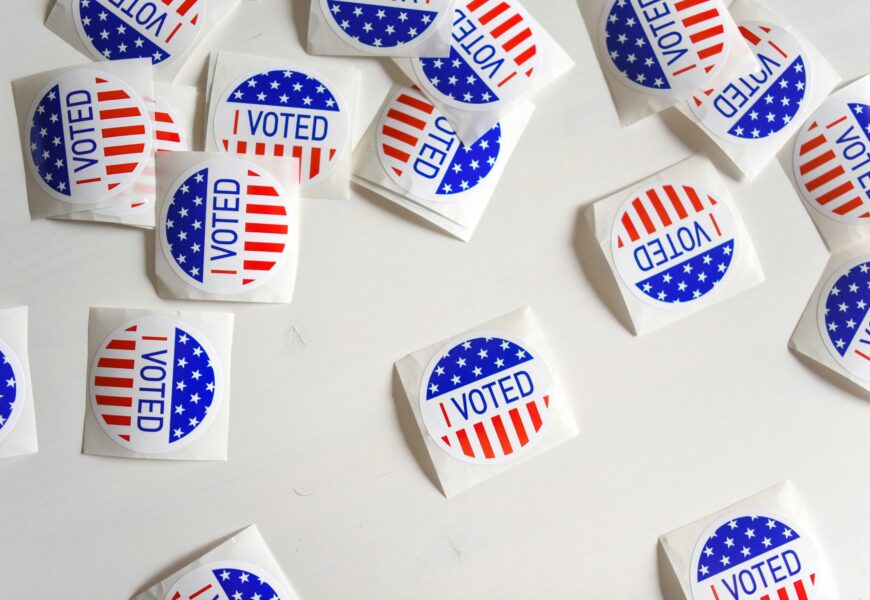
In 2024’s presidential election, an estimated 47% of youth voters, defined as those ages 18 to 29, turned out, according to Tufts University’s Center for Information and Research on Civic Learning and Engagement (CIRCLE).
Major disparities were observed when it came to who these voters were. Turnout was highest among women (50%) and nine points lower among men. Race was also a defining factor, according to CIRCLE’s estimates, as turnout was highest among young, white voters (55%), but significantly lower among Latino, Black, and Asian youth, of which 32%, 34%, and 43% cast a ballot, respectively.
As is consistently the case in American elections, whether it’s a presidential, midterm, or “off” year, voters over 45 make up the largest share of the electorate. That was once again the case in 2024. In fact, those 45+ were actually overrepresented in their share of voters, relative to younger groups.
A number of factors influence voter turnout overall: enthusiasm, or lack thereof, about the candidates; whether or not there’s a major issue being decided on (ex. abortion rights, recreational cannabis, etc.), as well as access to the polls. All of these factors can vary by state.
Now, despite less than half of young voters casting a ballot in 2024, there were some states in which turnout exceeded the national average. Among them: Michigan.
So, what made the difference?
Part of it, according to CIRCLE, is Michigan’s law allowing for those ages 16 and 17 to preregister to vote, ensuring they’re already in the system when they become eligible to participate in their first election. Another factor research points to, according to an article from NPR affiliate Michigan Public, is the state’s increasingly competitive elections: As races have become closer, voters have felt greater incentive to cast a ballot.
That additional reason is worth expanding upon.
What may not be completely understood about the outcome of our most recent presidential election is that it was closer than what the electoral college map would suggest. While every swing state went for Donald Trump, his victory was far from a landslide in most.
Six states, including Michigan, played an outsized role in choosing the country’s next leader. The others were Pennsylvania, Wisconsin, Georgia, North Carolina, and Arizona.
80,103 votes (1.42%) made up the difference between a Trump victory and Harris victory in Michigan.
29,392 votes separated Kamala Harris from Wisconsin’s ten electoral votes — a gap of just 0.86%.
Why does any of this matter?
While presidential elections get all the clout, it can be difficult for one to feel as if their vote really matters, especially when a small number of states are truly in play, thanks to polarization.
Downballot, where you’ll find those less talked about races, are candidates for seats in the House of Representatives and state legislatures — races that aren’t always decided in a landslide.
A young voter in, for instance, Massachusetts or Wyoming, may not flip their state from blue to red and vice-versa. Their vote could, however, be the difference between one more Republican or Democratic seat in their statehouse, where much of directly impactful policy is made.