Courtesy of Alex Leigh
Think back to when school lunchtime meant long lines and semi-edible food. Growing up, school lunch was never something to brag about. The poor quality was to be expected–you can’t expect gourmet food when a cafeteria needs to feed hundreds of hungry students, right? I stopped purchasing lunch from school when the items on the tray were no longer recognizable. For so long, US public schools have remained complacent in feeding their students packaged and processed meals. One organization, however, is proving that it does not need to be this way.
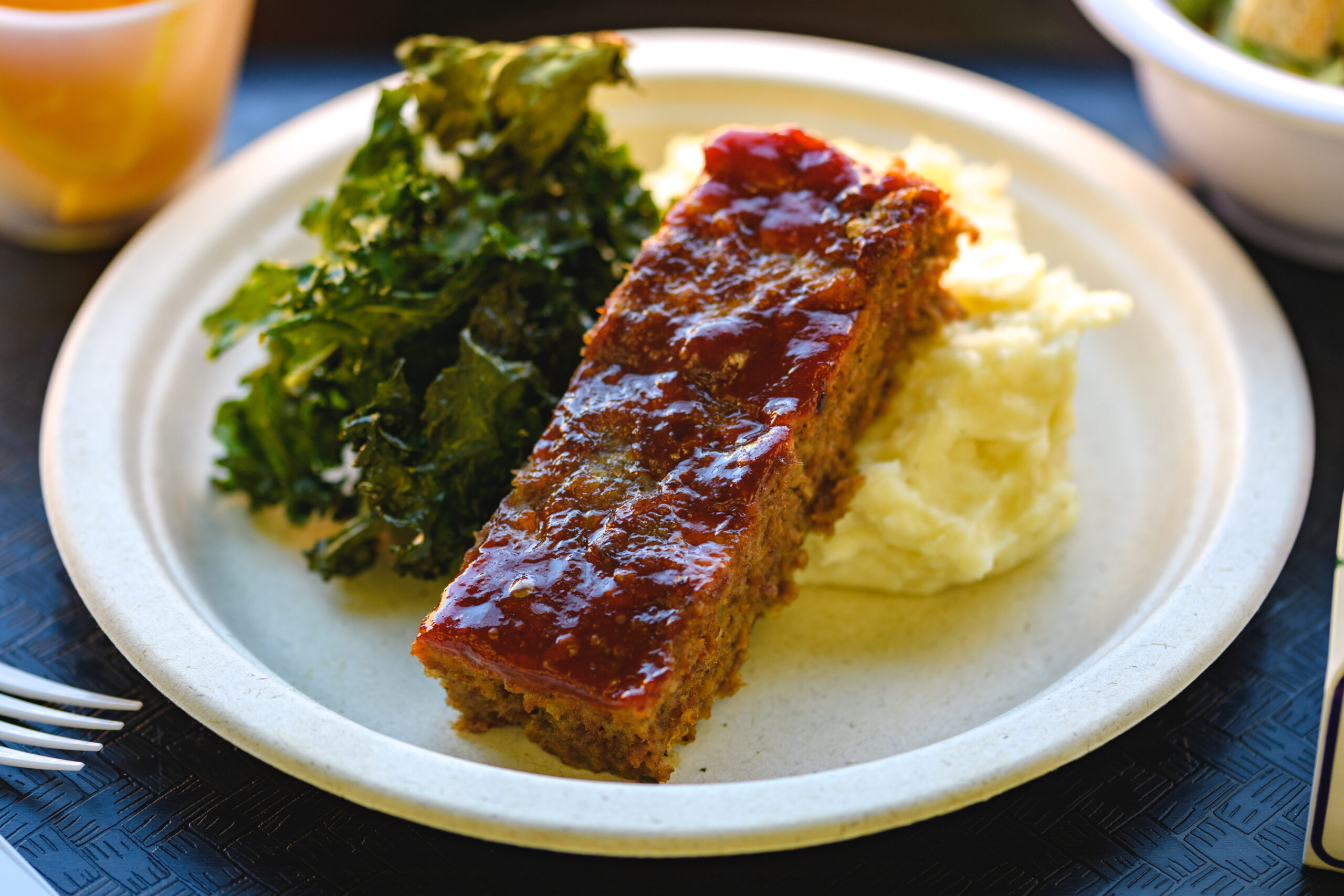
Brigaid is a for-profit organization that works with public schools to improve their food services. The company was founded in 2016 by chef Dan Giusti. Before his business endeavors, Giusti worked at Noma, a restaurant in Copenhagen considered one of the best in the world. Giusti’s philosophy when it came to Brigaid was to provide quality food to students who eat many of their meals at school, often breakfast and lunch. Brigaid believes that everyone deserves good food. So began the mission to bring restaurant-worthy meals to the fluorescent-lit cafeterias of American schools.
School districts use federal funding for food services. There are strict rules about what can and can’t be served. According to the USDA, each meal must include fruit, vegetables, grains, meat or meat alternatives, and milk. That sounds like a fairly regular meal, until you add in how much each meal costs. The federal reimbursement rate for each school meal is $4.62. This stipend also covers labor, supplies, and other expenses. After all that, schools have about $2.71 for each meal. Brigaid makes it work, letting chefs use their creativity to concoct inexpensive meals that don’t compromise on flavor.
New London has a personal connection with Brigaid. New London Public Schools (NLPS) have been working with Brigaid for several years. In fact, the district just signed a five-year extension. NLPS is part of Brigaids 45 partnerships, with about 80 professional chefs working across eight different states. I spoke with Alex Leigh, Brigaid’s regional chef for New London schools, who told me that “a lot of our business comes from word of mouth.”
Winthrop STEM Elementary, just a few minutes from Connecticut College, works with Brigaid to provide delicious, healthy meals to its students. I also spoke with Sam Wilson, the Child Nutrition Program Director for New London schools, who told me that Brigaid has brought a “diverse, balanced menu” to the school. The school district partnered with Brigaid to improve its dining services. Brigaid works to carefully integrate itself into the established community. Instead of overhauling the existing staff, Brigaid sends in a chef to help train the cafeteria staff. Leigh helps train the staff, create menus, and work with Wilson to fulfill the district’s goals.
I was curious about how recent federal cuts may be affecting school lunches and Brigaids’ work. There have not been cuts directly to school lunch programs. However, other federal cuts, such as cuts to SNAP, are having an adverse effect on these programs. Wilson explained that NLPS receives a meal service option called a Community Eligibility Provision (CEP), a program for schools in low-income communities. According to the USDA, “schools that adopt CEP are reimbursed using a formula based on the percentage of students categorically eligible for free meals based on their participation in other specific means-tested programs, such as the Supplemental Nutrition Assistance Program (SNAP).” Because of these cuts, fewer students are eligible for SNAP. As a result, the CEP reimbursement changes. Districts must apply for the CEP every four years. NLPS anticipated these cuts and recently reapplied for funding.
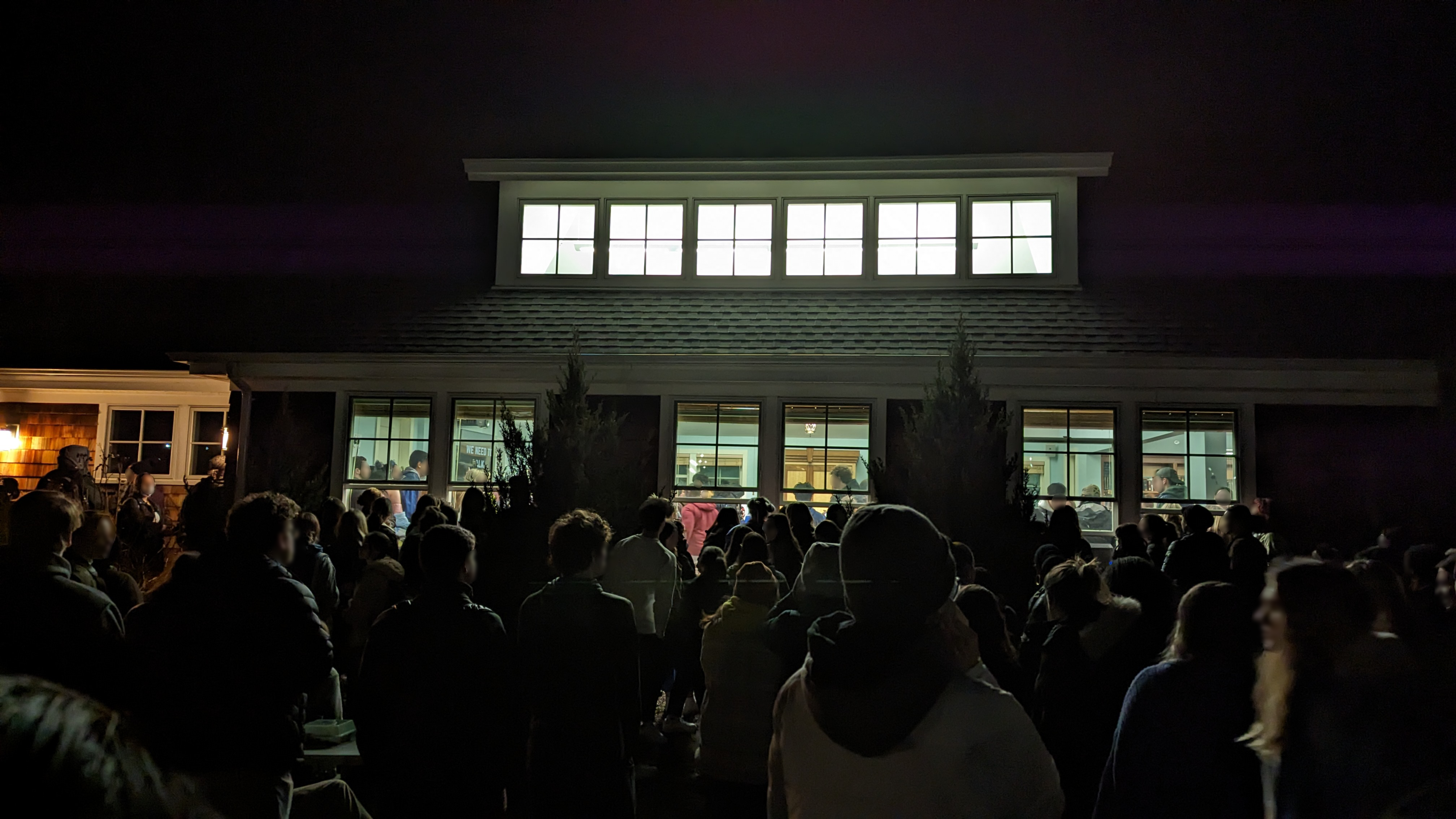
Despite the uncertainty of these times, NLPS and Brigaid persist in their mission to serve quality food to students, and as it turns out, communities. Once a month, Winthrop opens its doors to host a meal. Open to the community, anyone can come to try that month’s offerings. With this program, NLPS hopes to “create excitement around the school food program”, says Wilson. If adults are choosing to eat their meals at a school cafeteria, you know the food must be pretty good.
In such a divisive time, when communities are being pitted against each other, the ability to share a meal with our neighbors is a warm reminder that community and connection are our greatest strengths. What better way to grow this than over food, which has brought people together for centuries.
Brigaid chefs carefully craft each month’s menu, taking students’ likes and dislikes into consideration. The menu brings back old favorites, Wilson and Leigh both like the soy chicken with lo mein and the sweet and sour chicken with fried rice, and adds new things, too. The menu also tries to pay homage to the community’s culture. For New London, Leigh mentioned a special Peruvian dish, as well as plantains, rice, and pork. “All of our meals are appetizing,” said Leigh, who added that “everything we serve, we would want to serve to our own kids.”
NLPS has benefited greatly from its partnership with Brigaid. A fun fact Wilson likes to share is that if a student goes to NLPS from kindergarten through 12th grade, they will have never had a frozen chicken nugget or any processed item in a school meal. One of the district’s goals is to “expose kids to new foods”, said Wilson. “We are always looking to innovate.”
Leigh added that Brigaid has big visions for the future. Still, the most important thing to remember is that a new generation of students is always arriving who have yet to enjoy school lunches. The goal is to introduce them to food they like and continue the cycle.
“Our goal is to sustain what we do”, Leigh told me. “When we look around, there’s not a ton of people doing what we do.”