Courtesy of Nic Sanfilippo ’27
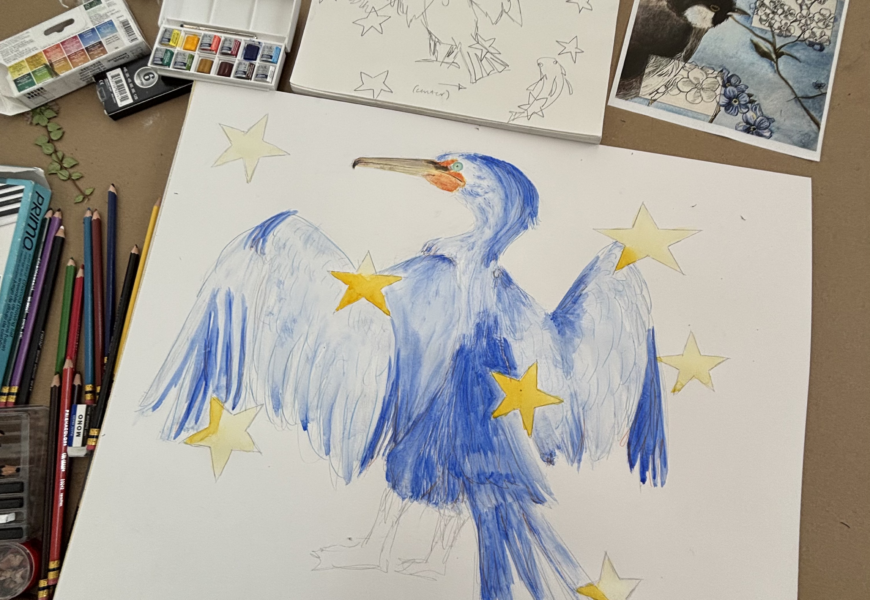
As a Connecticut College student, when I walk from my dorm in North Campus to the Cummings Arts Centre, I am often struck by the lack of visual art-making spaces on campus. Visual artists often struggle to search for a steady room to paint, draw, or sculpt outside academic settings.
Research shows that the learning lab concept—hands-on spaces boosting engagement, collaboration, retention, and real-world skills through active experimentation—works well for students. On our campus, it thrives in spots like Coffee Shops, the MOBROC barn, the bike shop, and Humphreys Pub, all student-led spaces. An end-of-semester art sale displays ceramics and prints to support student artists. Yet there are no open studios or work areas for visual art, other than senior studios. Are there clubs for drawing, comic-making, or similar? It seems only the Art SAB hosts some events, but why is there no student interest in running visual arts clubs? The New London Makerspace is an option if you can afford it, but where are the visual artists on campus? We once had KB tunnels full of murals and graffiti, Earth House walls with student designs, and Abby House murals, now gone. Dance and theatre departments pack venues with thousands through clubs and constant events. Visual arts? No such hub. The art-making process matters; if we want to encourage submissions for exhibitions, we must foster that process first.
As an artist, the space for art-making is lacking. A quiet corner to experiment, fail, and refine ideas turns fleeting sketches into shared work. Without it, visual art stays solitary, disconnected from the campus energy that fuels dance rehearsals or theatre runs.
Other NESCAC schools offer stronger models for visual arts access, often through applications and events that draw crowds. Wesleyan provides studios for art majors at large and class enrollees, with occasional open nights and gallery walks that build energy. Middlebury’s Mahaney Arts Centre hosts creative spaces for sculpture and prints, with events funded in part by the student government that attract non-majors. Amherst supports student galleries on library walls through initiatives like pop-up exhibits, with openings that compete with theatre attendance. Williams opens residency spots in its arts centre and museum to visual projects from any major via competitive applications, alongside club events that fill spaces. Bowdoin uses museum areas for installations and makerspaces, with regular student shows drawing solid crowds. Colby’s Bixler Art & Music Centre provides studios for cross-major ideas, with club exhibits that match the vibe of dance events. They prioritise visual arts through structured access and programming—clubs lead, communities form, spaces stay active.
How do we make visual arts accessible to all Conn students? Students must take a MOI Creative Expression class, but if the goal of liberal arts is to build whole thinkers—ones who analyse, empathise, and innovate—then how are we supporting that as a college community? One class sparks interest, but without follow-through spaces or clubs, it fades. Dance and theatre draw thousands because they offer constant entry points: open rehearsals, club meetings, packed shows. Visual arts need the same: drop-in drawing sessions, comic jams, mural projects, to turn the requirement into a habit. Cummings sits on the south campus, far from many; a central hub would invite the whole student body, non-majors included, to pick up.
The new ad hoc SGA committee is deciding, as of this moment, which groups get representation in the General Assembly next year. Will the visual arts claim a seat, and fill it? Representation in the General Assembly would give the visual arts a seat at key discussions, including Facilities and Land Management committees that shape campus spaces—from studio setups to mural walls. It keeps arts voices aware of changes that could impact art-making areas, events, and resources.
Our campus already shows what the visual arts could become. Dance and theatre gather thousands through steady spaces and events; with similar support, the visual arts would draw crowds too. The potential lies in open studios, clubs, and walls ready for murals—spaces that turn process into community, submissions into exhibitions. The art is here. It just needs room to claim its place.